Crop Image Online Free, Any Aspect Ratio

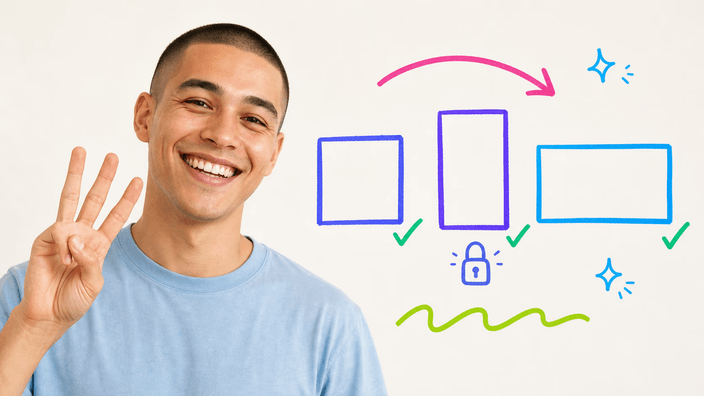
Upload image and crop JPG, PNG, WebP, or AVIF to 1:1, 16:9, 9:16, 4:5, 3:2, 4:3, or custom px.

or drop the image here

About this tool

Crop an image to any rectangle, free and right in your browser with nothing to install. Open a JPG, PNG, WebP, or AVIF and the crop view appears at once. Drag the handles to place your selection, lock a ratio (1:1, 16:9, 9:16, 4:5, 3:2, 4:3, or A4) for a social post or a profile picture, or type an exact width and height in pixels. A live readout shows the output size in real source pixels before you download. The picture stays on your device for the whole session, you can confirm it in the browser's Network panel where no image upload appears. PNG and WebP keep a transparent background from the original, while JPG fills transparent areas with white. Location and camera metadata are removed from every export for privacy. It suits anyone who needs a quick, precise rectangular crop. The image cropper exports a clean PNG, JPG or WebP at the exact pixels you set.

Open the crop image tool
How the crop tool works in your browser

How the crop tool works in your browser

Upload image and the browser opens it directly on your device. This is a free online crop image tool: no server upload happens, no temporary copy is stored outside your device. Drag the crop frame to position, resize from corners or edges, and the live pixel readout updates as you drag. Coordinates are in source-image pixel space, so the number shown is the literal output size. Open DevTools, switch to Network during the crop: no outbound image request appears. Files stay entirely on your device.

Crop image now
Lock a ratio for social media or profile picture sizes

Lock a ratio for social media or profile picture sizes

Tap a ratio chip (1:1 for Instagram square, 4:5 for portrait feed, 9:16 for Story/Reel, 16:9 for YouTube, 4:5, 3:2, or 4:3) and the selection frame locks to that proportion for any social media or profile picture upload. Drag it anywhere on the image to choose what to keep. To hit a specific pixel target, type the width and height into dimension fields. Output equals the selection's source-pixel size, the tool does not upscale.

Crop image now
JPG output replaces transparent background with white

JPG output replaces transparent background with white

If your source file has transparent background (PNG, WebP with alpha, or AVIF with alpha) and you choose JPG as the output format, those transparent pixels are filled with white. JPG has no alpha channel. To preserve the transparent background, choose PNG, WebP, or AVIF on the format selector. PNG and WebP output carry the original alpha channel through unchanged. The format selector labels each option so the trade-off is visible before download.

Crop image now
Move the selection precisely with the keyboard

Move the selection precisely with the keyboard

Tab to the crop frame, then press the arrow keys to move the selection one pixel at a time. Hold Shift and each press jumps ten pixels. The keyboard control is built in, not a bolt-on, so framing by exact number is as easy as framing by eye, which helps when a trackpad cannot land the edge precisely or when you work without a mouse. On a phone the frame also responds to touch, pinch to zoom and drag the corners to reframe.

Crop image now
Output formats: PNG, JPG, WebP, and AVIF (all free online)

Output formats: PNG, JPG, WebP, and AVIF (all free online)

After cropping you pick the download format on the done screen, all four free and with no watermark. PNG is lossless and keeps a transparent background. JPG applies light compression that looks identical to the source on most photos while producing the smallest file for pictures with no transparency. WebP sits between the two, smaller than PNG and still able to carry transparency. AVIF compresses the hardest of the four at matching quality, though the first AVIF export of a session takes a moment longer to get ready. The default format matches your input.

Crop image now
When to use a different crop tool

When to use a different crop tool

This tool crops rectangles only: squares, landscape, portrait, and custom pixel dimensions. For a circular crop, a profile picture with transparent background corners, use Circle Crop. It shares the same browser-side processing but outputs a round PNG. For platform-specific presets with default dimensions already set (Instagram 1080×1080, YouTube thumbnail 1280×720, Facebook cover 1200×630), the preset crop pages in the Crop family open with those dimensions pre-loaded.

How it works

  1. Upload image

    Open the tool and drop your JPG, PNG, WebP, or AVIF file onto the upload area, or click to browse for the file on your device.

  2. Pick a ratio or pixel size

    Tap a ratio chip (1:1, 16:9, 9:16, 4:5, 3:2, 4:3, or A4) or type exact pixel dimensions in the width and height fields.

  3. Position the frame

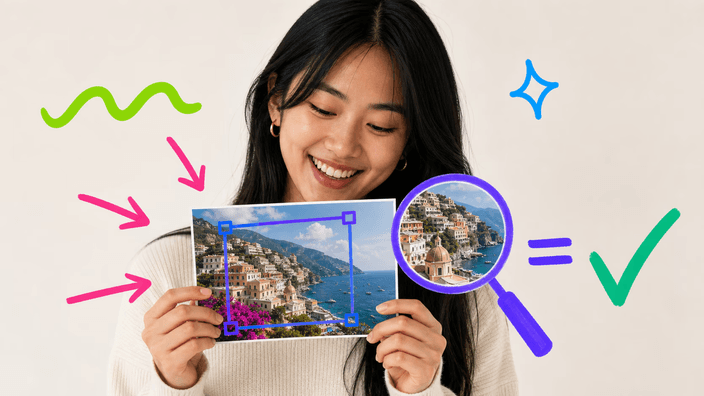
    Drag the crop frame to the area you want to keep, then resize from corners or edges until the live readout shows your target output size.

  4. Crop and download

    Click Crop, choose your output format (PNG, JPG, WebP, or AVIF) on the done screen, and download the cropped file to your device.

Need a circle, resize, or format change instead?

This tool crops rectangles only. For a circular crop with transparent background, use Circle Crop. To change pixel count without cropping, use Resize. To switch format only without cropping, use Convert.

Frequently asked questions

How to crop image online?

Upload image to the crop tool, pick a ratio or type pixel dimensions, drag the selection frame over the area you want to keep, then click Crop and download. The whole process runs free online in your browser, no server upload. A typical crop from upload to download takes under ten seconds on a modern device.

How can I crop PNG images and keep transparent background?

Upload image as PNG to the crop tool, set the ratio or dimensions, position the crop frame, click Crop. On the done screen, select PNG as the output format to keep the alpha channel and transparent background intact. If you pick JPG, transparent areas become white. PNG output is lossless, so no pixel quality is lost during cropping.

How do I crop photos for Instagram without an app?

Open the crop tool in your browser, upload your photo, and tap the 1:1 chip for a square Instagram post, 4:5 for a portrait feed post that fills more of the social media feed, or 9:16 for a Story or Reel. Drag the frame to frame your subject, click Crop, download.

Which aspect ratios work for social media crops?

Use 1:1 for Instagram square, 4:5 for portrait feed, 9:16 for Story or Reel, and 16:9 for YouTube thumbnail or Twitter header. Facebook cover works at 1200×630. The tool has chips for 1:1, 16:9, 9:16, 4:5, 3:2, 4:3, plus custom pixel input for any other social media size.

Can I crop an image into a circle or a profile picture shape?

No, this tool crops rectangles only. For a circular crop with a transparent background, use the Circle Crop tool instead. It outputs a round PNG with transparent corners, perfect for a profile picture upload on Discord, LinkedIn, Slack, or Instagram. The same browser-based processing applies, your image stays on the device.

How do I crop an image to an exact pixel size for each platform?

Type the target width and height into the dimension fields in the crop view. The crop frame resizes to match and the live readout confirms the output in source pixels. Recommended profile picture sizes: Instagram 320×320, Twitter 400×400, LinkedIn 400×400, Discord 1024×1024, Facebook 360×360. WhatsApp 500×500.

The details

Notes from the team on craft, formats, and the small decisions behind a good round crop.

The modern crop engine behind the tool
The framing surface is a current-generation crop engine, rebuilt from an older design onto modern browser components. For you that means smooth dragging, a ratio you can change at any moment without reloading the picture, and reliable keyboard control. The rebuild is mostly invisible, the experience is the familiar drag-and-resize frame, just on a lighter and more responsive foundation than the tools that still run the older approach.
Why the output is never larger than your selection
The size you crop is measured in the picture's own pixels, not the pixels of your screen. That distinction matters on high-resolution phones, where an image shown small on screen is actually much larger in real pixels, and the selection always counts the real ones. The file you download contains exactly the pixels inside your frame, no more. The tool never invents detail to enlarge a crop, so if you need a bigger result than the original holds, that is a job for an upscaler rather than a crop.
What metadata is removed, and why that helps
Every export is written without the hidden data a camera embeds: GPS coordinates, the make and model, lens and exposure details, and colour profile tags. For web and social use this is an advantage, because location data in particular can reveal where a photo was taken without you realising. The trade-off is that a deliberate tag, such as a copyright note or a precise colour profile, is dropped too, so keep an untouched master if a professional colour-managed workflow depends on it.
Cropping an animated GIF keeps the first frame
Drop an animated GIF and the tool reads its first frame as the picture to crop. The browser does not hand the later frames to a still-image tool in a usable way, so the result is a single static image in the format you pick, not a shorter animation. GIF is not offered as an output here, because forcing it would quietly downgrade the result, so for motion you will want a dedicated GIF editor instead.
Keyboard control and accessibility
The crop frame is reachable with Tab and fully movable from the keyboard, so the tool works without a pointing device. Arrow keys shift the selection one pixel, Shift with an arrow moves it ten. Because the live pixel readout updates with each press, you can frame to an exact number rather than by eye, which is useful for matching several images to identical dimensions and for anyone relying on assistive technology.
Choosing a format after the crop
Format is a balance of size, quality, and transparency. PNG is lossless and the safe choice for graphics or anything with a transparent background, though its files run several times larger than a JPG of the same photo. JPG is smallest for photographs without transparency and looks identical at normal viewing sizes. WebP lands about a quarter to a third smaller than JPG at similar quality and still supports transparency. AVIF squeezes the file the most at matching quality, at the cost of a slightly longer first export. All four are free with no daily cap.